Offer & Network Selection
Check the offer, payout or margin and geography, then pick the one or two networks whose inventory and policies fit — instead of spreading a test budget thin.
DigitalOnfront™ builds and manages native ad campaigns on content-recommendation networks for brands, publishers and performance marketers — clearly labelled sponsored stories, article-style pre-sell pages, constant headline testing and placement cleaning, measured on cost per conversion rather than cheap clicks.
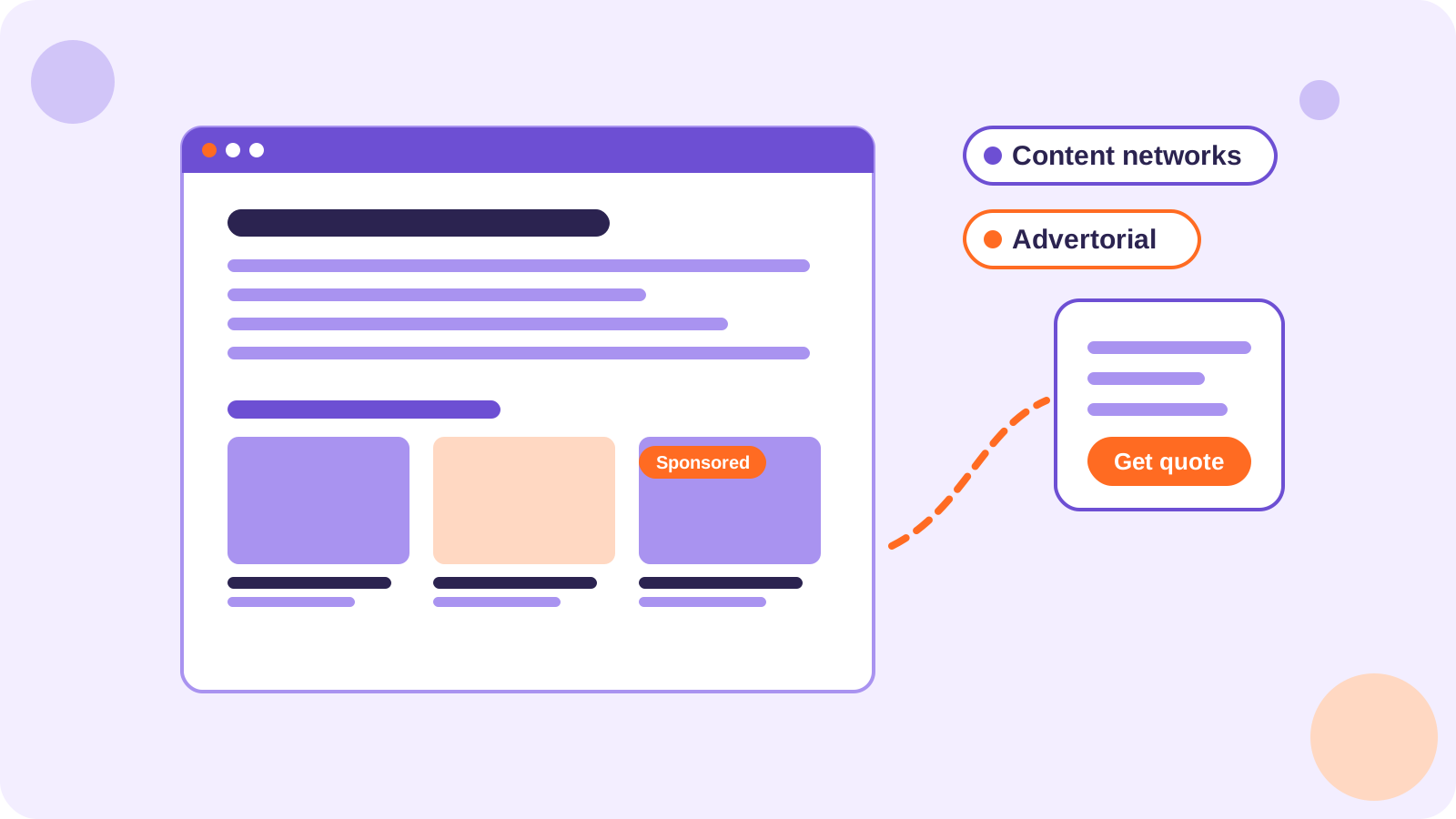
Native campaigns have more moving parts than search or social: the network, the widget creative, the pre-sell page, the offer page and hundreds of publisher placements. We manage the whole chain.
Check the offer, payout or margin and geography, then pick the one or two networks whose inventory and policies fit — instead of spreading a test budget thin.
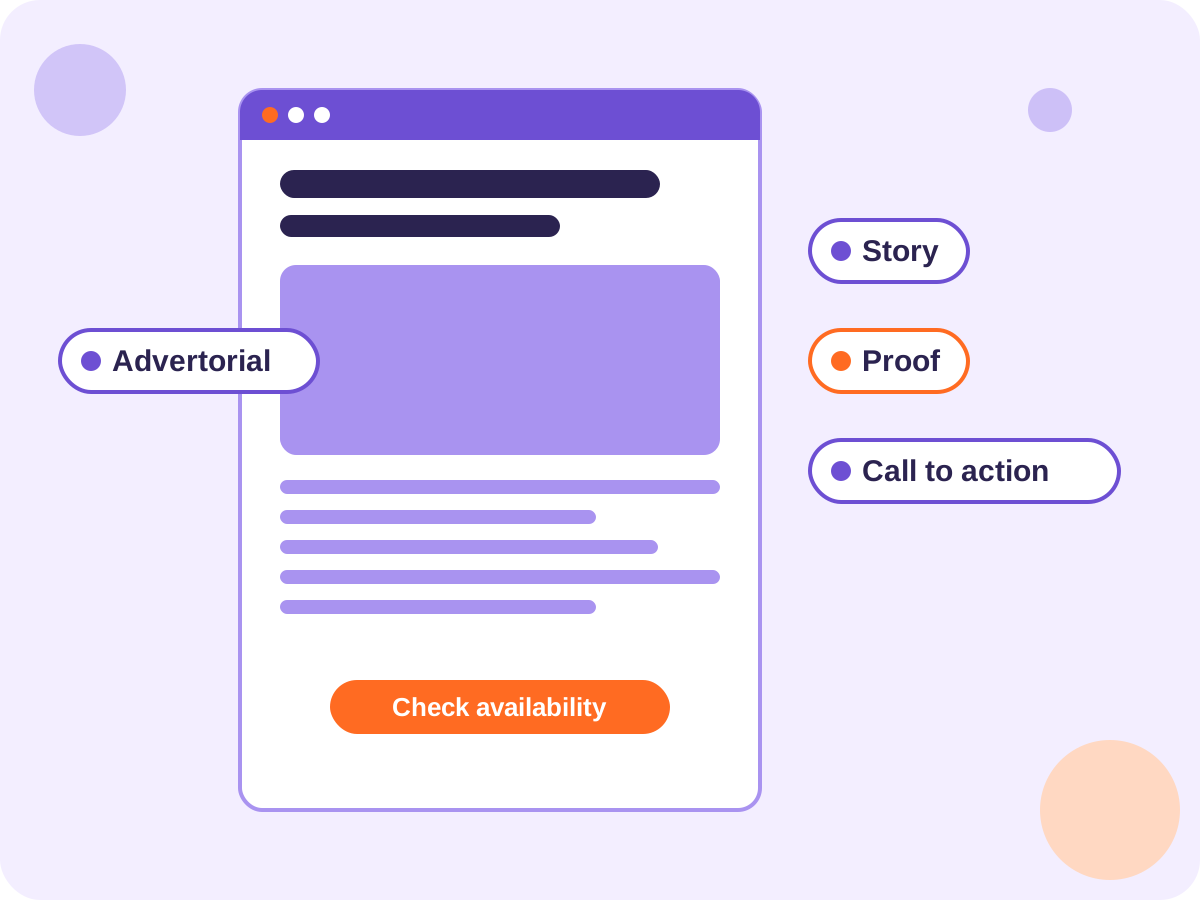
Article-style pages with a clear “Advertisement” label that answer what it is, who it is for, why to trust it and what it costs.
Several headlines against a few images, tested until we find combinations that bring readers who stay, not just readers who click.
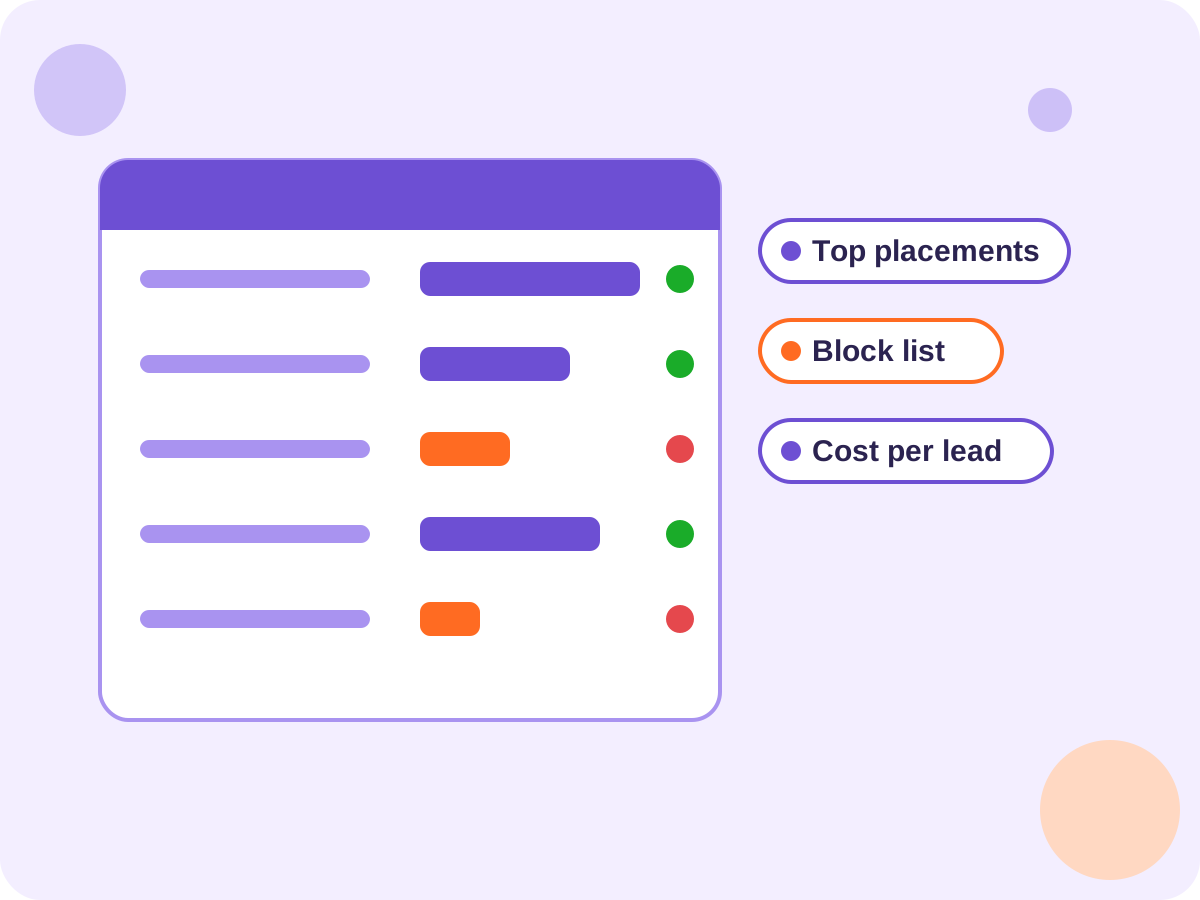
Regular review of publisher widgets; sites with high bounce, suspicious patterns or no conversions are blocked so budget moves to what works.
Network pixel, UTM parameters and, for affiliates, a tracker with server-side postbacks so each placement and creative is judged on real conversions.
Readers who engaged but did not convert are retargeted; profitable combinations are scaled step by step, not doubled overnight.
Native readers arrive cold, from a news article. If the offer needs no explanation or the page cannot earn trust, native is the wrong channel — and we will say so.
We review the offer, pre-sell page, tracking and network policies before the first rupee is spent.
We would rather turn down a native campaign than run one that cannot work.
You have seen it under news articles: a “Recommended for you” block with a headline and a thumbnail. These ads are served by content-recommendation networks across thousands of publisher sites, carry a “Sponsored” label and send the reader to an article-style page rather than straight to checkout.
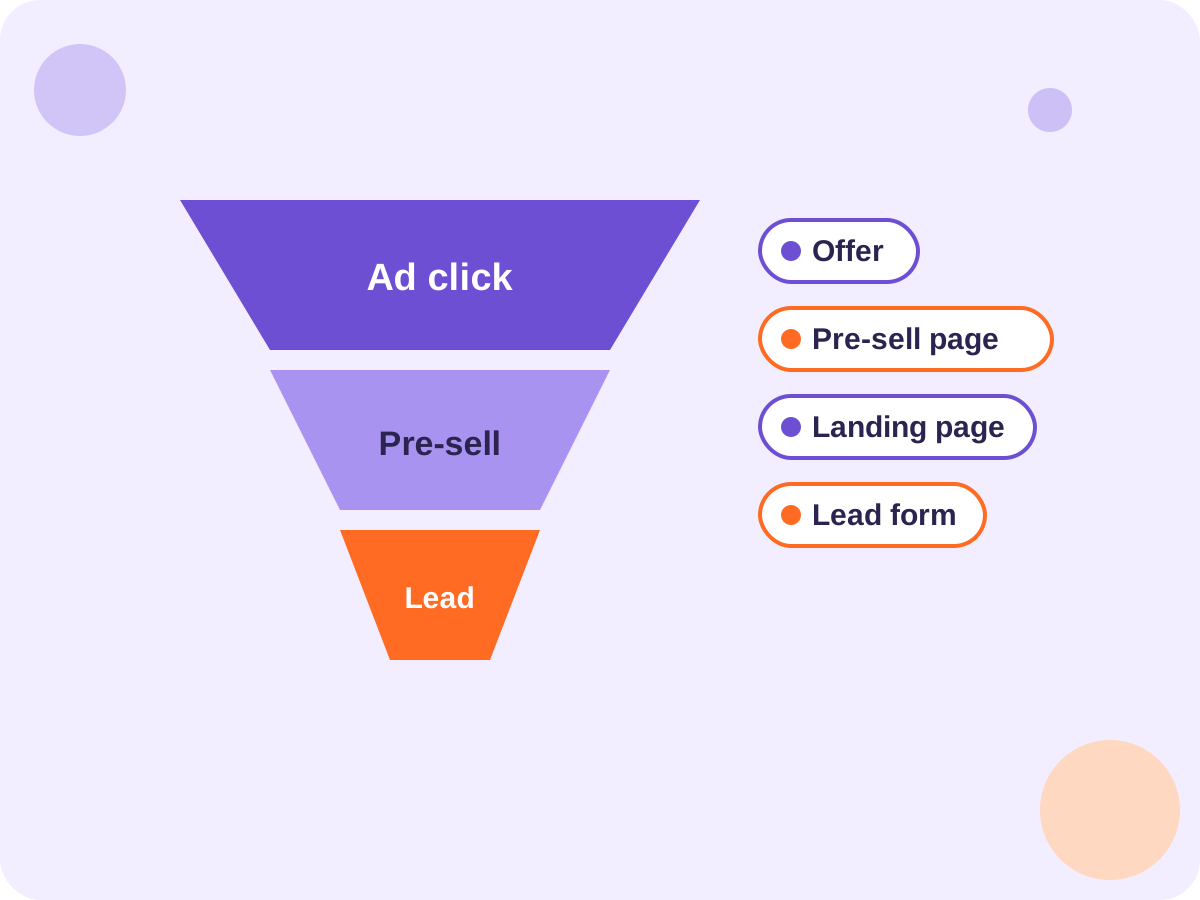
The ad gets the click; the advertorial earns the sale. A typical structure is a short hook, the problem in the reader’s words, how the product helps, honest limitations, proof you can show and one call to action.
No fake news-site styling, fake comments or invented experts — we test two or three honest versions before scaling.
A cheap cost per click means little if readers leave in five seconds. We read a chain: widget CTR, time on article, click-through to the offer and cost per conversion.
We also split by desktop and mobile, operating system and time of day — a campaign that loses overall can be profitable on one slice.
Native ads must be clearly labelled and must not mislead. In India the ASCI Code applies, alongside each network’s rules on health, finance and “too good to be true” claims. We avoid miracle claims, fake scarcity and endorsements that do not exist.
We launch with daily caps and a test budget agreed in writing, so you always know the maximum spend.
Offer, payout or margin, geography and category rules.
One or two networks matched to audience, policy and budget.
Advertorial page plus the first headline and thumbnail grid.
Daily caps, fixed test budget and full conversion tracking.
Block weak placements, keep winners, scale in steps together.
Headlines, pages and placements are improved one link at a time, so you know exactly what changed results.
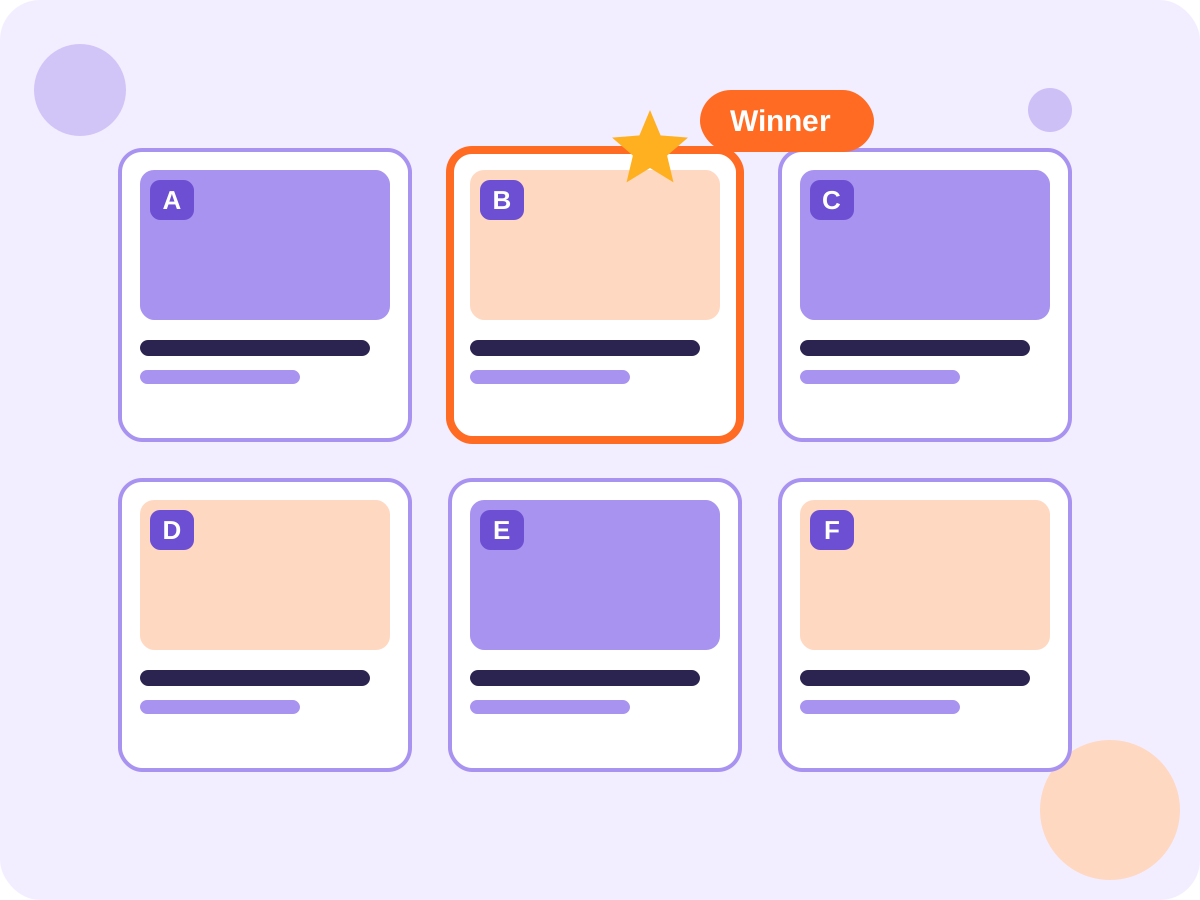
A testing grid finds the headlines and images that attract readers who actually read and convert.
A clearly labelled, honest article page that explains the offer and earns the click to the product or form.
Reports by publisher, device and creative show where money is made or lost and which placements to block.
Networks differ in publisher quality, minimum budgets, approval rules and control over placements.
Premium networks partner with large news publishers and review strictly; smaller networks are cheaper but need more aggressive placement cleaning.
Some networks are strong in India, others mainly in the US or Europe. We choose inventory that matches where your buyers are.
Finance, health and affiliate offers face extra checks. We confirm what is allowed and what disclosures are needed before launch.
Ad spend is paid from your own advertiser account. Management is quoted after we understand the offer, networks and page work needed.
One network with a fixed test budget is the usual start; more networks or geographies add work.
Writing advertorials and producing headline and thumbnail grids is a large part of native management.
Network pixels, trackers and server-side postbacks for affiliate offers are scoped separately where needed.
We choose the network for the offer and geography — major content-recommendation networks and a few smaller ones. Ad spend is paid from your own advertiser account.
Usually not. Native suits offers with broad appeal that benefit from a short article. Local service businesses generally get better results from Google Search or Meta ads.
Native needs a learning phase. Plan a fixed test budget for two to three weeks so there is enough data to judge headlines and placements. We agree the cap with you before launch.
Almost always. A clearly labelled, article-style pre-sell page converts much better than sending native readers straight to a product or form page.
Yes, as long as the offer is legal, honest and allowed by the network. We set up tracking so each placement can be judged on real conversions.
We review placement reports regularly and block publisher widgets with high bounce rates, suspicious traffic or no conversions, so budget moves to sites that perform.
Yes, when they are clearly labelled as advertising and do not mislead. We follow the ASCI Code and each network’s policies.

Who leads your campaigns
10+ years in digital marketing — PPC, SEM and performance marketing. Native campaigns are planned and reviewed by the founder himself, alongside the DigitalOnfront™ team. More about us
Tell us about your offer, target geography and how you measure a conversion.
Call / WhatsApp:
+91 97178 75710